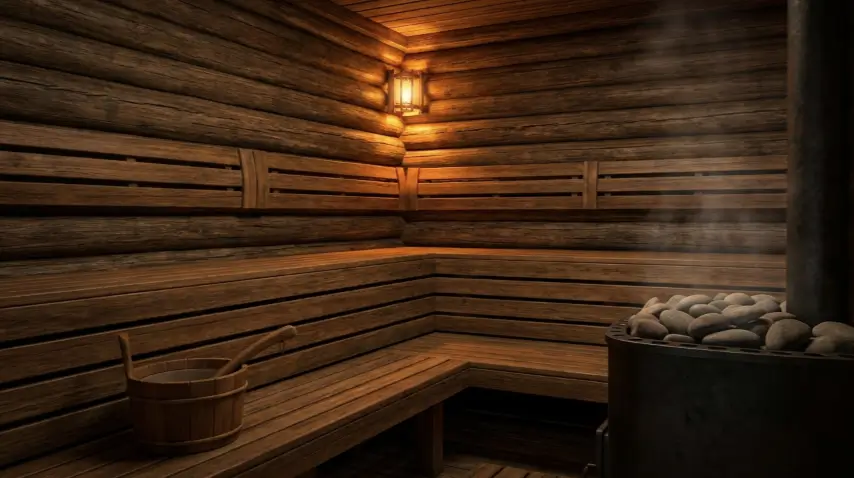
An electric sauna heater typically costs $600 to $1,400 for the unit and needs a dedicated 240-volt circuit, adding $400 to $1,200 in electrical work. A wood-fired stove costs $900 to $2,000, needs no electrical work, but usually requires a permitted chimney installation and a steady supply of dry, seasoned firewood. On pure sticker price the two land in a similar range once installation is included, so the real budget decision comes down to whether ongoing fuel and tending time matter more to a household than upfront electrical work.
What Does Each Heater Actually Cost to Buy?
A residential electric sauna heater sized for a two-person cabin, roughly 6 kilowatts, generally runs $600 to $1,400 depending on brand and control package, with digital timers and remote controls pushing toward the higher end. A comparable wood-fired stove, sized by cubic footage rather than kilowatts, typically costs $900 to $2,000, with cast iron construction and larger rock capacity commanding a premium over lighter steel models. Neither option is dramatically cheaper on the unit price alone, which surprises a lot of first-time buyers who assume a wood stove, with no wiring involved, would come in noticeably lower.
What Does Installation Add to Each Option?
Electric heaters above 6 kilowatts need a dedicated 240-volt circuit, and running that circuit typically adds $400 to $1,200 depending on distance from the panel and whether the panel itself has spare capacity. Wood-fired stoves skip the electrical work entirely but usually require a code-compliant chimney with proper clearance to combustibles, and that installation, plus the permit and inspection most municipalities require for a wood-burning appliance, can land in a similar cost range to the electrical work it replaces. Buyers sometimes assume wood heat avoids the installation cost problem altogether; in practice it usually just shifts the cost from an electrician to a chimney installer and a permit fee.
What Do the Two Cost to Run Session After Session?
Electric heaters draw power directly off the grid, and running a 6 kilowatt heater for a 45 minute warm-up and a 20 minute session typically costs somewhere in the range of a dollar or two per session at average residential electricity rates, though this varies by region. Wood heat trades that direct utility cost for firewood, and a well-seasoned cord of hardwood, often good for dozens of sessions depending on stove size and outside temperature, runs anywhere from $150 to $350 depending on region and whether it is delivered seasoned and split. Per-session cost estimates for wood tend to run lower than electric in regions with cheap firewood and higher electricity rates, and higher in regions where the reverse is true, so this genuinely depends on local pricing rather than one heat type being clearly cheaper everywhere.
How Much Hands-On Time Does Each Require?
This is where the two diverge the most regardless of location. An electric heater starts with a thermostat or a timer, reaches temperature unattended, and needs essentially no tending during the session beyond adding water to the rocks. A wood-fired stove needs to be lit, fed, and monitored through the entire heat-up period, which some sauna traditionalists consider part of the experience and others consider a chore that limits how often they actually use the sauna. Households planning to use the sauna several times a week tend to get more consistent use out of an electric heater simply because it removes the friction of fire-tending from a routine that otherwise competes with everything else going on in a normal week.
See also: Is Retatrutide Legal? Peptide vs Investigational Drug
What Does Long-Term Maintenance Look Like for Each?
Electric heating elements typically last 5 to 10 years with normal use before needing replacement, and the rocks themselves need periodic replacement as they crack under repeated heat cycling regardless of heater type. Wood-fired stoves, particularly cast iron models, can last decades with basic care, but the chimney needs periodic cleaning to manage creosote buildup, a maintenance task electric heaters simply do not have. Shoppers comparing bundled heater and rock packages, whether shopping directly from a sauna maker or from one specialty retailer that carries multiple brands side by side, should ask specifically what the rock allotment is and how it is priced, since rock replacement is a recurring cost that easily gets overlooked when comparing heater sticker prices alone.
Which One Actually Fits a Tight Budget Better?
Neither option is unambiguously cheaper once installation, fuel, and maintenance are all counted, so the better budget fit really comes down to how the sauna will be used. A household planning frequent, low-friction sessions generally gets more value from electric, since the ongoing cost per session is predictable and the time cost is near zero. A household with access to cheap or free firewood, and who values the ritual of tending a fire as part of the experience, can come out ahead with wood heat, particularly if a garage or existing chimney infrastructure reduces the installation cost that would otherwise apply.
Does Heat Type Affect Insurance or Resale?
A wood-burning stove with a chimney is more likely to draw questions from a homeowner’s insurance carrier than an electric heater, since it introduces an open flame and a chimney that some policies treat differently from an appliance wired into the electrical system. It is worth a quick call to confirm how a policy treats an outbuilding with a wood-burning stove before committing to that route, since a surprise premium increase changes the cost comparison. On resale, buyers researching a home with an existing sauna sometimes view an electric heater as the lower-maintenance, easier-to-verify option, since a working thermostat and rocks are simple to check, while a wood stove’s chimney condition requires more scrutiny to confirm it was installed and maintained correctly.
Frequently Asked Questions
Is an electric or wood-fired sauna heater cheaper overall? Electric heaters usually cost less up front, roughly $600 to $1,400, but need an electrician. Wood-fired stoves cost $900 to $2,000 and need no electrical work but require firewood and tending.
How long does it take a wood-fired sauna to heat up? A wood-fired stove typically takes 45 minutes to over an hour, depending on wood quality and outside temperature. A comparable electric heater usually reaches the same range in 30 to 45 minutes.
Does a wood-fired sauna need a chimney permit? In most jurisdictions, yes. A wood-burning stove with a chimney typically requires a permit and inspection similar to a wood stove installed in a home.
Which heater type is better for daily use? Electric heaters generally suit daily or near-daily use better since they need no fuel tending. Wood-fired stoves suit households who use the sauna less often but value the ritual.
References
- Association between sauna bathing and fatal cardiovascular and all-cause mortality events, JAMA Internal Medicine, 2015
- Joint associations of sauna bathing and cardiorespiratory fitness on cardiovascular and all-cause mortality risk: a long-term prospective cohort study, Annals of Medicine, 2018
- Short-term effects of Finnish sauna bathing on blood-based markers of cardiovascular function in non-naive sauna users, Heart and Vessels, 2018
By Todd Iverson